
Network Segmentation Strategies for Enhanced Security
/
Cyber threats aren’t just increasing; they’re getting smarter. And here’s the reality: once attackers get inside a network, they don’t stop at one system. They move laterally, seeking greater access, more data, and more damage. This is where network segmentation becomes a game-changer.
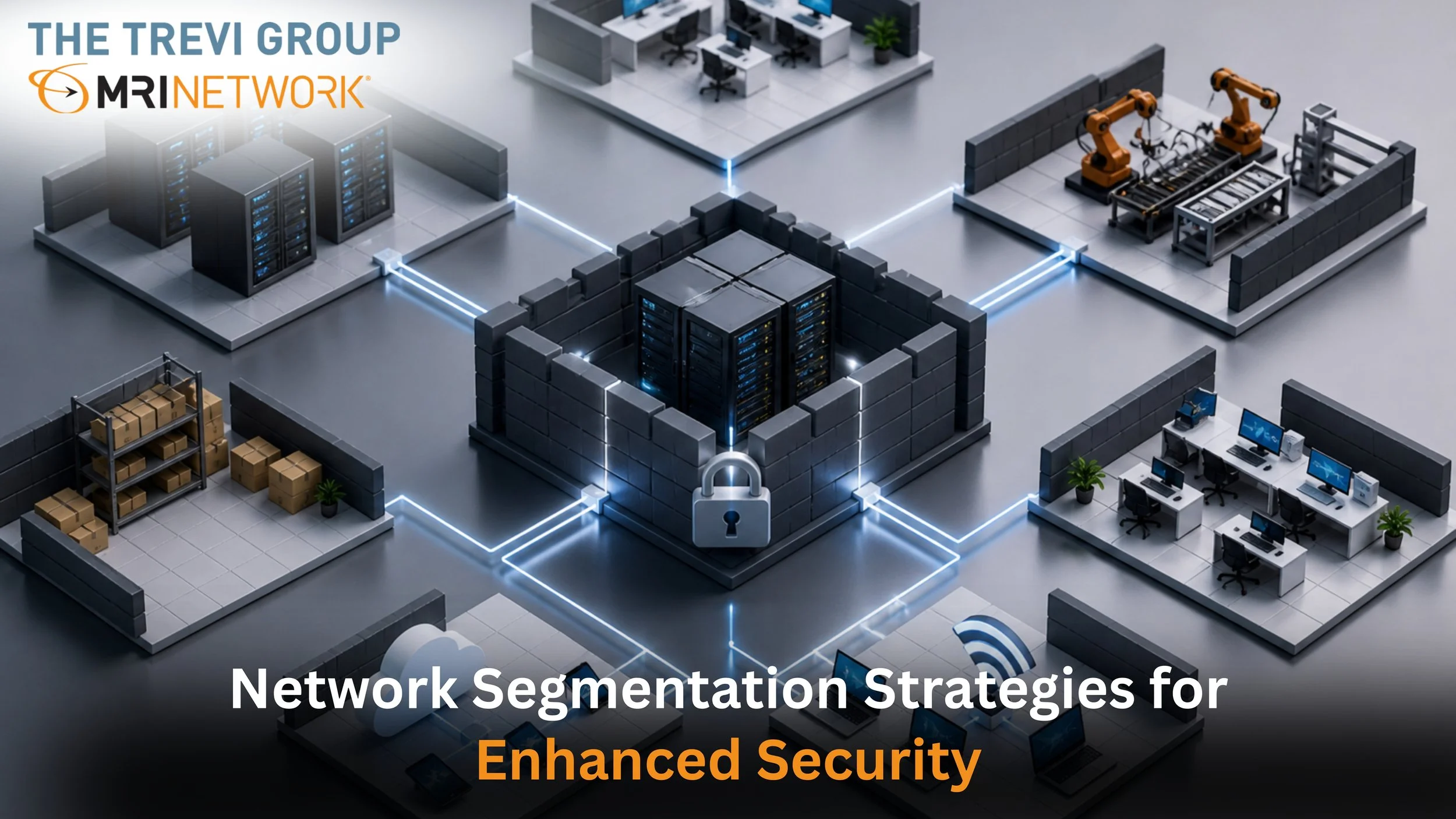
Instead of treating your network as a single open space, segmentation divides it into smaller, controlled zones, limiting how far a threat can spread. Think of it as adding locked doors between rooms, not just securing the front entrance.
Why Network Segmentation Matters Today
Modern organizations are more connected than ever, with remote work, cloud systems, and IoT devices. That connectivity brings risk.
Segmentation helps by:
Reducing the attack surface
Containing breaches quickly
Protecting sensitive data
Improving compliance and visibility
It’s no longer optional; it’s a core security strategy.
Key Segmentation Strategies That Work
Not all segmentation is equal. The most effective approaches are intentional and aligned with business needs.
1. Segment by Function
Group systems by role: finance, HR, operations. This ensures sensitive departments stay isolated.
2. Use Micro-Segmentation
Go beyond large zones. Micro-segmentation creates smaller, highly controlled environments, especially useful in cloud and hybrid setups.
3. Apply Zero Trust Principles
Never assume trust, even inside the network. Every access request should be verified, regardless of location.
4. Separate Critical Assets
High-value systems (such as customer data or IP) should be subject to the strictest restrictions and monitoring.
What Recruiters and Hiring Managers Should Know
Cybersecurity isn’t just a technical conversation anymore; it’s a hiring priority.
Look for candidates who:
Understand real-world network security challenges
Have experience with cloud and hybrid environments
Can balance security with business operations
Think strategically, not just technically
These are the professionals who help organizations stay ahead, not just react.
Common Mistakes to Avoid
Even strong strategies can fail if execution is weak.
Overcomplicating the setup
Ignoring internal threats
Lack of monitoring and updates
Treating segmentation as a one-time project
Security is ongoing, not static.
Final Thought

Network segmentation isn’t just about protection; it’s about control, visibility, and resilience. In a world where breaches are expected, the real advantage lies in limiting impact.
Organizations that invest in smart segmentation and the right talent to implement it aren’t just more secure. They’re more prepared for what’s next. Contact The Trevi Group if you need assistance with this.
The Trevi Group | “Executive Search for Technology Professionals” | www.TheTreviGroup.com
#thetrevigroup #informationtechnology networkengineer #networkengineering #networksecurity #cybersecurity