

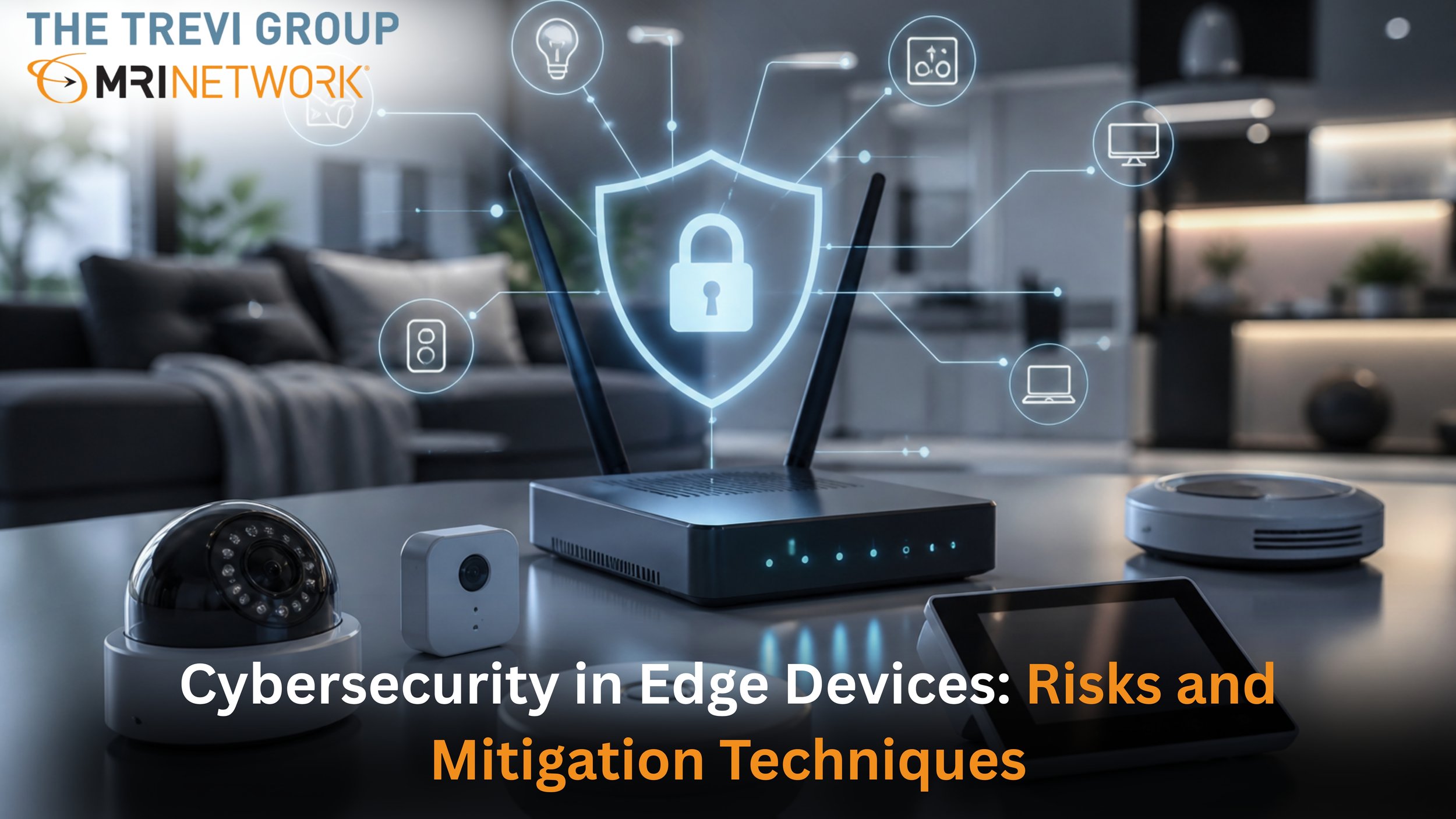
Cybersecurity in Edge Devices: Risks and Mitigation Techniques
/
The future of technology isn’t just in the cloud, it’s at the edge. From smart sensors to connected medical devices, edge computing is transforming how data is processed in real time. But with this speed and convenience comes a growing challenge: security.
As more devices operate outside traditional networks, they create new entry points for cyber threats. And unlike centralized systems, edge devices are often harder to monitor, update, and protect.
Why Edge Devices Are a Rising Target
Edge devices are everywhere: factories, homes, hospitals, and cities. Their widespread use makes them attractive targets for attackers.
Common risks include:
Weak or outdated security configurations
Limited processing power for advanced security tools
Lack of regular updates or patching
Physical exposure, making tampering easier
The result? A single vulnerable device can open the door to an entire network.
What’s Changing in Cybersecurity Today
Modern cybersecurity is no longer just about firewalls and passwords. With edge computing, organizations are shifting toward smarter, more adaptive strategies.
Key trends include:
Zero Trust Architecture: Never assume a device is safe. Verify everything
AI-driven threat detection: Identifying unusual behavior in real time
Secure-by-design devices: Building security into hardware from the start
This shift reflects a simple reality: security must move as fast as the technology itself.
Practical Ways to Reduce Risk
Protecting edge devices doesn’t have to be complicated. It starts with smart, consistent practices:
Use strong authentication and device identity management
Regularly update firmware and security patches
Encrypt data both at rest and in transit
Monitor device activity for unusual patterns
Limit access through network segmentation
These steps may seem basic, but they create a strong first line of defense.
Why This Matters for Talent and Hiring
As edge technology grows, so does the demand for professionals who understand both systems and security. Companies are no longer just hiring cybersecurity experts; they’re looking for talent that can think across infrastructure, data, and real-time environments.
This opens opportunities for:
Cybersecurity analysts
IoT and edge security specialists
Network and systems engineers
Final Thought

Edge computing is shaping the future, but without strong security, it also increases risk. The organizations that succeed will be those that act early, build secure systems, and invest in the right talent. Contact The Trevi Group if you need help finding the right resources to address this challenge.
Because in today’s world, speed matters, but security matters more.
The Trevi Group | “Executive Search for Technology Professionals” | www.TheTreviGroup.com
#thetrevigroup #recruitingtrends #informationtechnology #employmenttrends #jobmarket #hiringtrends #cybersecurity #networksecurity #zerotrust