
The Cybersecurity Risks Hiding Inside Smart Factories and Automated Warehouses
/Manufacturers invested billions connecting their floors. Cybercriminals noticed. The more efficient a warehouse becomes, the more vulnerable it gets. Every sensor added, every system automated, and every process connected to the cloud expands the attack surface. Smart factories and automated warehouses have traded one set of operational risks for another, and most organizations are far better prepared for the first kind than the second.
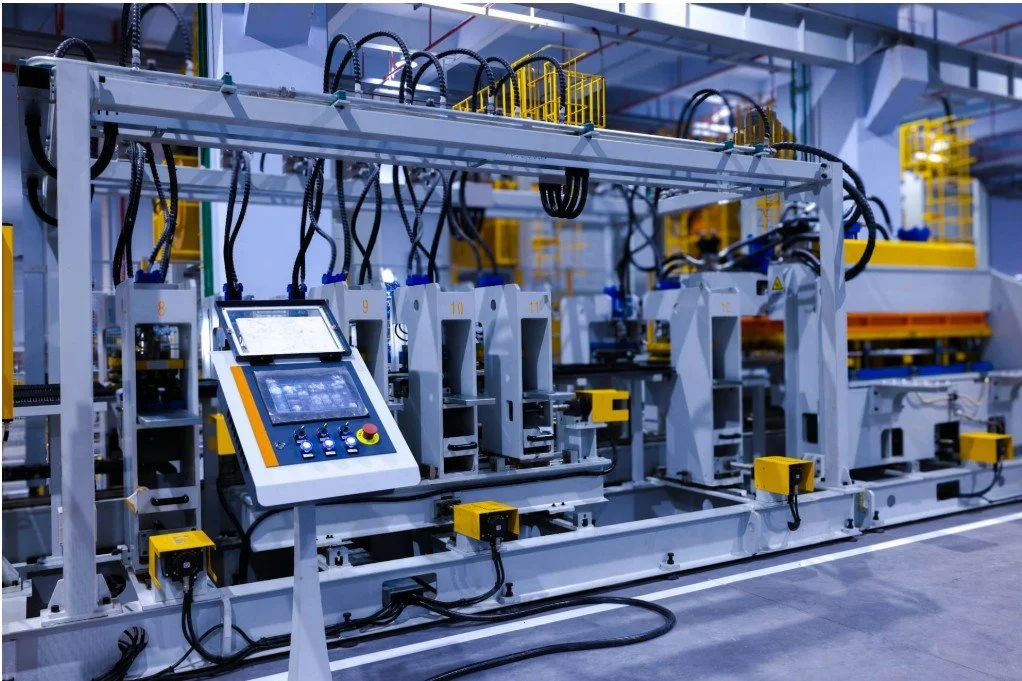
The consequences of a security incident in these environments go well beyond a data breach. A compromised IIoT network can halt production lines, disable automated equipment, and create safety hazards that put workers at risk. Recovery isn’t measured in hours. It’s measured in weeks, and sometimes in regulatory penalties and lost contracts on top of the downtime.
The organizations managing this risk well aren’t just investing in better firewalls. They’re building cybersecurity into their operational strategy from the ground up, and staffing for it accordingly. Here’s a closer look at where smart factories and automated warehouses are most exposed, and what it takes to close those gaps.
A Closer Look at Smart Factors and Automated Warehouses
Smart warehouses and automated warehouses represent a major shift from manual to data-driven, technology-powered systems. The goal of this shift is to increase efficiency, safety, and accuracy, often in response to labor shortages and rising e-commerce demands.
The key components of these smart and automated facilities?
Autonomous mobile robots and self-driving vehicles to transport goods, reducing worker travel time.
IoT and real-time data from sensors and RFID tags that provide 24/7 monitoring.
AI and analytics optimize routing, predict demands, and improve decision-making.
Automated storage and retrieval systems, which are computer-controlled systems that help maximize space.
The Benefits of These Smart Facilities
Here are some of the primary benefits of smart factories and automated warehouses:
Increased efficiency and productivity, as machines operate 24/7 without fatigue.
Reducing errors lowers return rates and improves customer satisfaction.
Greater automation can help lower operational expenses by reducing labor-intensive tasks and optimizing storage space.
Improved safety for tasks that are repetitive or hazardous, helping to reduce workplace injuries.
Modular systems can scale up during peak seasons, such as for Black Friday, without requiring massive infrastructure overhauls.
These benefits are why companies like Amazon have deployed over one million robots across their operations. For companies with the budget to do so, this results in faster delivery times and lower costs for customers. However, large companies like Amazon have not forgotten the humans involved, as the e-commerce giant has upskilled more than 700,000 employees.
With all these advantages, implementing smart, automated systems seems like a no-brainer. However, they come at a cost to a company’s smart factory security.
Common Automated Warehouse Cybersecurity Risks
In the world of industrial automation, companies face risks from ransomware, malware, phishing, and insider threats.
As companies leverage increased connectivity through IIoT and IT-OT convergence, they also expand their attack surface. The vulnerabilities created operational downtime, physical equipment damage, or production sabotage.
Here are some common risks to consider:
Vulnerability exploitation in interconnected systems
Hacking and data theft targeting proprietary information
Malware and ransomware attacks that disrupt operations
Supply chain attacks through third-party vendors
Insider threats and human error
Strategies for Mitigating Cybersecurity Risks
There is no denying the positive impact of Industry 4.0 technologies. The Industrial Internet of Things (IIoT), AI-driven automation, and cloud-based management systems have transferred warehousing into a high-efficiency (yet vulnerable) environment.
The productivity gains from these technologies can accelerate business growth, but they also introduce automated warehouse cybersecurity risks. To help mitigate those risks, here are some strategies:
Implement robust authentication and access controls
Ensure regular software updates and patch management
Prioritize network segmentation and monitoring
Invest in employee training and awareness programs
Develop incident response plans and act on them
Future Trends in Industrial Cybersecurity
Technology is evolving rapidly, and there is a lot to consider.
As of 2026, companies are not just concerned with human attackers but also with agentic AI attacks. From AI-driven ransomware to defensive AI adoption, threats are becoming more complex. They are also prompting companies to consider current skill gaps, especially as infrastructure becomes more connected.
Then there are the regulatory and operational changes. Governments are implementing stricter regulations, such as the EU’s NIS2 Directive and DORA, which make cybersecurity reporting and compliance mandatory and non-negotiable for operational continuity.
Take a Proactive Approach to Cybersecurity Threats
To remain competitive, you must shift from a reactive to a proactive cybersecurity strategy. Smart factories and automated warehouses are increasingly adopting a proactive approach, driven by the need to defend against sophisticated AI-driven threats, ransomware, and the high cost of production downtime.
One of the greatest challenges?
Staffing and talent acquisition in this new era. Demand for skilled cybersecurity professionals in manufacturing is rising, particularly for those with both IT and OT expertise. While it is recommended that you upskill current staff, certain specialized roles are in high demand.
To fill them, it’s crucial that you work with a recruitment partner that understands your needs and the overall changes within the industry.
The Trevi Group Can Help

The Trevi Group has over 18 years of experience as a leading recruitment firm specializing in the IT sector. For those seeking support, The Trevi Group focuses on talent acquisition for high-tech roles and on addressing current skills gaps, with a “quality-first” workforce that meets tight production deadlines through advanced automation. Want to learn more? Explore our capabilities and contact us to see why The Trevi Group is your trusted partner.
The Trevi Group | “Executive Search for Technology Professionals” | www.TheTreviGroup.com
#thetrevigroup #recruitingtrends #informationtechnology #employmenttrends #jobmarket #hiringtrends