
Network Firmware Security: The Overlooked Layer Below the Operating System
/The Hidden Security Risk Most Organizations Forget
When organizations discuss cybersecurity, the conversation usually centers around firewalls, endpoint protection, cloud security, and operating system updates. But there’s a critical layer that often escapes attention: network firmware.
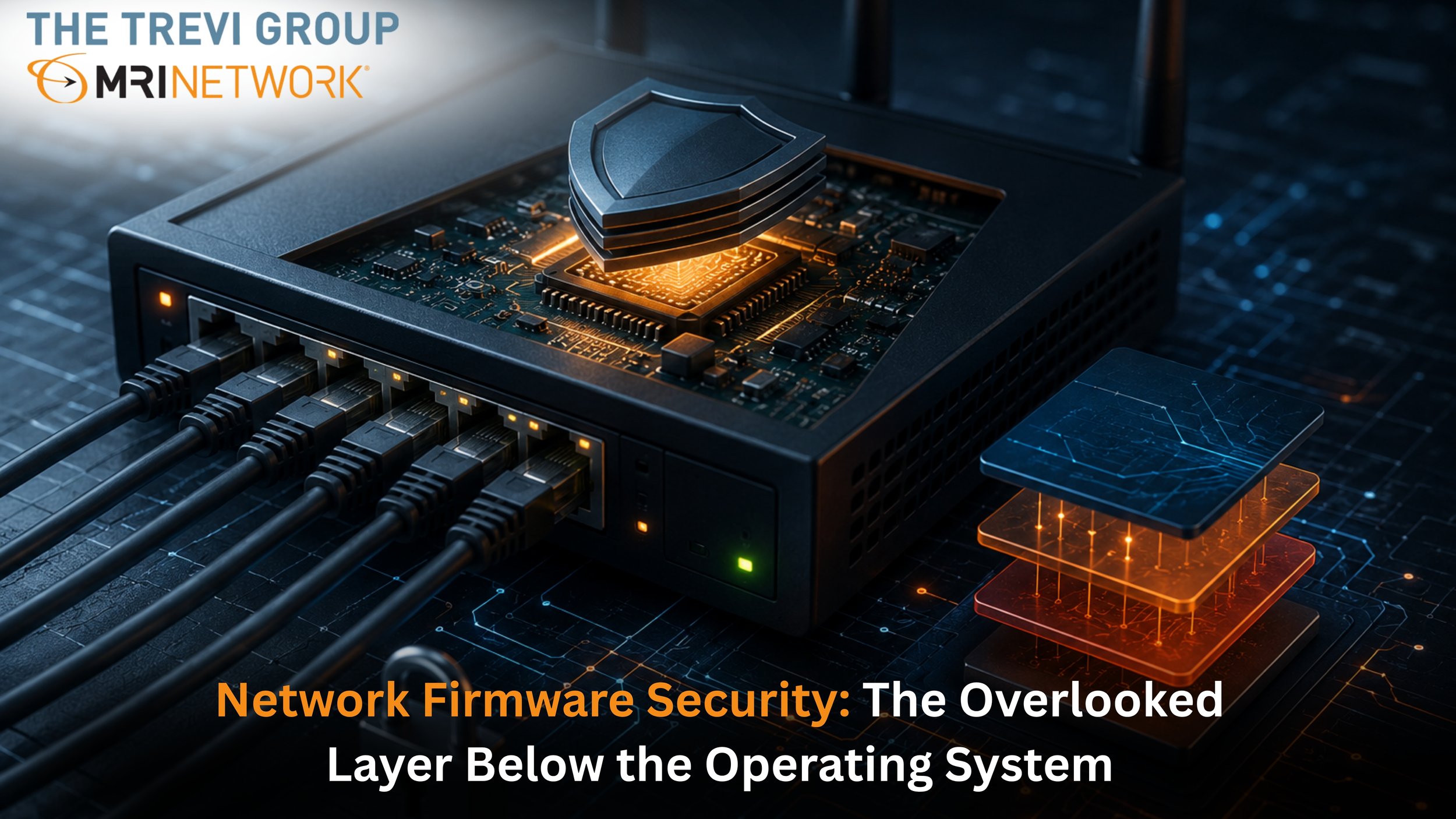
Firmware is the software embedded within network devices such as routers, switches, access points, and firewalls. It operates below the operating system and quietly powers the infrastructure that keeps businesses connected. Because it sits behind the scenes, it’s often overlooked, and that’s exactly what makes it an attractive target for cybercriminals.
Why Firmware Security Matters More Than Ever
Today's networks are more complex than ever. Remote work, cloud adoption, IoT devices, and hybrid infrastructure have dramatically expanded the attack surface.
If attackers compromise firmware, they can potentially:
Bypass traditional security tools
Maintain long-term persistence within a network
Intercept sensitive data traffic
Disable security controls without detection
Create backdoors that survive operating system updates
Unlike application vulnerabilities that often receive immediate attention, firmware weaknesses can remain unnoticed for months or even years.
The Growing Trend Security Teams Can't Ignore
Recent cybersecurity incidents have highlighted a growing concern: attackers are moving lower in the technology stack.
Instead of targeting only users or applications, sophisticated threat actors are increasingly seeking vulnerabilities in the underlying infrastructure. Network devices are especially attractive because they often:
Run outdated firmware versions
Lack regular patching schedules
Receive less monitoring than servers and endpoints
They are considered "set and forget" assets
This shift means organizations must rethink how they approach security from the ground up.
What Organizations Should Do Now
Improving firmware security doesn't require a complete infrastructure overhaul. Small, consistent actions can make a significant difference:
Best Practices
Maintain an inventory of all network devices
Apply firmware updates regularly
Verify firmware authenticity before installation
Enable secure boot features where available
Monitor network devices for unusual behavior
Include firmware assessments in security audits
Organizations that treat firmware as part of their cybersecurity strategy are better positioned to reduce hidden risks before they become major incidents.
The Talent Connection
As cyber threats evolve, employers are increasingly seeking professionals who understand security beyond traditional endpoints and applications. Network security engineers, infrastructure specialists, and cybersecurity leaders who recognize the importance of firmware protection bring valuable expertise to modern organizations.
This growing focus creates opportunities for professionals to expand their skill sets and stand out in a competitive cybersecurity job market.
Final Takeaway

Cybersecurity isn't just about protecting what's visible. Some of the most critical vulnerabilities exist beneath the surface, where few people are looking. Network firmware may not receive the same attention as cloud platforms or endpoint security, but it plays a vital role in organizational resilience.
The strongest security strategies protect every layer of the technology stack, including the ones most people forget. Contact The Trevi Group when you need help finding the best people that can handle these issues.
The Trevi Group | “Executive Search for Technology Professionals” | www.TheTreviGroup.com
#thetrevigroup #security #networksecurity #informationtechnology