The Evolution of Smart Manufacturing: From Isolated Equipment to Fully Integrated Systems

Smart manufacturing and IT/OT convergence have been industry buzzwords for a while now. But what do they really mean? The occasional use of smart equipment, like Internet of Things (IoT) devices, was revolutionary just a few years ago. 

But now, fully integrated manufacturing systems have raised the bar. With an interconnected approach and an emphasis on data analytics, smart manufacturing has evolved to a higher standard. Hiring leaders in the manufacturing space should take note, too. A new class of tech-oriented workers now drives manufacturing efficiency and enhanced decision-making. Here’s a look at the rapidly changing world of smart manufacturing.

The Shift to Fully Integrated Smart Systems

To understand the evolution of smart manufacturing, you need to think beyond “Industry 4.0.” While industry observers still use the term to describe smart manufacturing practices and facilities, new technologies have evolved well past the 4.0 standard. A manufacturing floor might have been considered an example of Industry 4.0 a few years ago if it had some equipment with digital sensors and IoT devices. These machines could operate somewhat autonomously. Today, smart manufacturing floors are interconnected by advanced technology.

Artificial intelligence (AI) and machine learning (ML) now analyze vast amounts of data sent to scalable cloud storage. AI forms the basis for data analytics, helping plant managers identify production trends, identify potential issues before they become problems, and optimize operations. Robotics and cyber-physical systems (CPS) link physical equipment and digital systems for fully integrated smart systems.

This level of integration has led to a new phase in smart manufacturing. Rather than the limited automation present in the early days of Industry 4.0, integrated systems can collect and analyze data all across the production line. This data-driven approach is the top benefit of fully integrated manufacturing systems, as managers gain valuable insights into their entire operations.

Leveraging Data Analytics and Machine Communication

The deeper understanding production managers gain from fully integrated systems comes from AI and ML-powered data analytics. Formerly hidden patterns and production anomalies emerge from within the data, empowering manufacturers to make more informed decisions and take proactive actions.

The emerging technology that makes all this possible is known as machine-to-machine (M2M) communication. Whereas basic IoT sensor implementations collect data from specific equipment and send it to a central server, M2M enables seamless data exchange between machinery, monitoring systems, AI, and the cloud. This holistic connectivity provides vast improvements in early problem detection and production analytics.

M2M’s improvements, in combination with advanced data analytics, enhance all aspects of manufacturing. The QC department can now identify and address root causes of defects faster than ever before. On the supply chain side, real-time data on inventory levels, production metrics, and demand forecasts streamlines manufacturing logistics. Even maintenance teams appreciate the chance to address issues before they lead to catastrophic downtime.

Emerging Staffing Needs for Smart Manufacturing Systems

The evolution toward fully integrated smart manufacturing has created demand for a new type of manufacturing professional. Recruiters must find talent with a stronger tech skill set to manage, maintain, and optimize the new class of integrated manufacturing systems. These roles fall into four major categories. Here’s a look at each of them:

Data Analysts and Data Scientists

Data analysts, machine learning engineers, and data scientists help extract information from the vast amount of data generated by integrated manufacturing systems. Recruiters should seek expertise in analytics, predictive modeling, and machine learning. 

IoT and Automation Engineers

IoT specialists, automation engineers, and systems integrators focus on several roles. They design, implement, and maintain the interconnected systems that bring full integration to manufacturing equipment. The best candidates will have long-term experience in an industrial setting with the technology involved. Their work ensures seamless communication and data flow between the various systems and pieces of equipment in the modern manufacturing environment. Desirable skills include programming, sensor integration, and experience with automation software.

Maintenance and Reliability Technicians

Maintenance technicians and reliability engineers possess strong mechanical and electrical engineering foundations. Some knowledge of data analytics and how it works is also helpful, as it can contribute to predictive maintenance. Interpreting real-time data and identifying potential issues is quickly becoming the focus of these roles rather than reacting to show-stopping problems. Look for candidates who are familiar with smart equipment and have general troubleshooting skills.

Cybersecurity Specialists

Cybersecurity analysts and IT security specialists are at the forefront of safeguarding the digital infrastructure of smart manufacturing facilities. They’re responsible for protecting sensitive data, preventing cyberattacks, and ensuring the security of IoT devices and central systems. Ideal candidates will have experience securing data in connected manufacturing environments and the ability to prevent unauthorized access to IoT devices and other central systems.

The Data-Driven, Interconnected Future of Manufacturing

Considering the rapid evolution over the past few years, there’s no doubt the future of manufacturing is in data-driven, interconnected systems. Production facilities must adopt integrated smart systems with modern technologies to stay at the forefront of their respective industries. 

At the same time, the demand for a new breed of skilled manufacturing professionals is high. Harnessing the potential of fully integrated smart manufacturing depends on talented workers who can unlock its potential. To stay on top of the trends in a wide range of industries, follow The Trevi Group.

The Trevi Group | “Executive Search for Technology Professionals” | www.TheTreviGroup.com

#thetrevigroup #recruitingtrends #informationtechnology #employmenttrends #jobmarket #hiringtrends #manufacturing #IOT #IT/OT
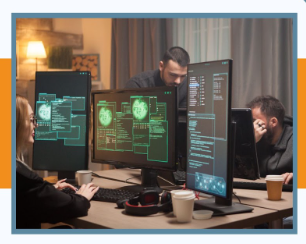

5 Common Cybersecurity Gaps in Small IT Teams

As cyber threats continue to evolve in complexity and frequency, small IT teams often find themselves at a disadvantage. With limited resources, manpower, and budgets, even the most diligent teams can overlook critical cybersecurity aspects—leaving the organization vulnerable to attacks. Here are five common cybersecurity gaps often found in small IT teams and how to address them effectively:

1. Lack of Continuous Monitoring

Small IT teams may not have the capacity to implement 24/7 security monitoring. This leaves systems exposed to threats during off-hours or weekends. Without real-time visibility into network activity, detecting anomalies like unauthorized access or data exfiltration becomes difficult.

Solution: Utilize automated Security Information and Event Management (SIEM) tools or partner with managed security service providers (MSSPs) that offer around-the-clock monitoring.

2. Inadequate Patch Management

Software vulnerabilities are a common entry point for hackers, and many attacks succeed because of outdated systems. Small teams often struggle to keep up with patch updates across all devices, especially when using legacy systems.

Solution: Implement a centralized patch management system that tracks update statuses and automates patch deployment where possible.

3. Weak Access Controls

Poorly managed user privileges and shared credentials pose significant risks. Many small teams lack the governance needed to enforce strong identity and access management policies.

Solution: Enforce role-based access controls (RBAC), use multi-factor authentication (MFA), and regularly audit user permissions.

4. Limited Employee Training

Cybersecurity is not just an IT issue—it’s a company-wide responsibility. However, many small businesses overlook employee training due to time or budget constraints, resulting in phishing or social engineering vulnerabilities.

Solution: Conduct regular security awareness programs and phishing simulation exercises to build a culture of security mindfulness across the organization.

5. No Formal Incident Response Plan

Small IT teams may focus more on prevention and neglect the “what if” scenarios. Without a documented incident response plan, the team may struggle to act quickly and effectively during a breach, leading to increased downtime and damage.

Solution: Create a basic, actionable incident response plan outlining roles, responsibilities, communication protocols, and recovery steps in the event of a cyber incident.

Conclusion

Cybersecurity is a growing concern for businesses of all sizes, but small IT teams must be especially vigilant. By identifying and addressing these five common gaps, organizations can significantly strengthen their security posture—without requiring massive resources.

The Trevi Group | “Executive Search for Technology Professionals” | www.TheTreviGroup.com

#thetrevigroup #recruitingtrends #informationtechnology #employmenttrends #jobmarket #hiringtrends #cybersecurity #networksecurity

The Role of Network Infrastructure in Supporting Enterprise Cloud Strategies

In today's hyper-connected digital economy, cloud computing is no longer a future trend — it's the foundation of modern business operations. Whether it’s streamlining workflows, enhancing collaboration, or enabling remote access to data and applications, cloud strategies are at the core of enterprise IT. But while much attention is given to cloud platforms, applications, and migration plans, one critical component often operates quietly behind the scenes: network infrastructure.

Why Network Infrastructure Matters

Think of cloud computing as a high-speed train, and network infrastructure as the tracks it runs on. No matter how powerful or advanced your cloud solution is, it’s only as reliable and efficient as the network supporting it. Without a robust, scalable, and secure network, enterprises face latency issues, outages, security vulnerabilities, and poor user experiences — all of which can derail cloud initiatives.

Seamless Connectivity for Hybrid and Multi-Cloud Environments

Modern enterprises rarely rely on just one cloud platform. Many adopt hybrid (a mix of on-premise and cloud) or multi-cloud strategies (utilizing multiple cloud providers) to strike a balance between flexibility, cost, and compliance. Supporting such architectures requires a network that can seamlessly integrate diverse environments, ensuring uninterrupted communication and data transfer across public and private clouds.

This involves leveraging SD-WAN (Software-Defined Wide Area Networks) and high-performance VPNs to maintain connectivity while optimizing traffic flow, reducing bottlenecks, and improving application performance.

Enhancing Security at Every Layer

Security is a significant concern in any cloud journey. An adequate network infrastructure plays a vital role in defending enterprise data from cyber threats. Next-generation firewalls, end-to-end encryption, and intrusion detection systems are just the beginning. Enterprises also rely on Zero Trust Network Access (ZTNA) models and network segmentation to ensure that access to cloud resources is tightly controlled and monitored.

Moreover, real-time threat detection and response powered by AI and machine learning can help identify vulnerabilities before they’re exploited, keeping enterprise operations secure and compliant.

Driving Performance and User Experience

Slow load times, downtime, and inconsistent access can quickly erode the benefits of moving to the cloud. An optimized network infrastructure supports low-latency communication, load balancing, and intelligent routing, allowing users across geographies to access applications with minimal delay. This becomes especially important for businesses with a global footprint or a remote workforce.

By implementing edge computing — processing data closer to the source — companies can further reduce latency and improve responsiveness for cloud-based services.

Supporting Scalability and Agility

Business needs change rapidly, and cloud solutions offer the flexibility to scale resources up or down as required. But this elasticity can only be matched by an equally agile network. Enterprises need infrastructure that supports dynamic bandwidth allocation, rapid provisioning of new connections, and the automation of network configurations.

With technologies like network function virtualization (NFV) and cloud-native networking, organizations can make real-time adjustments without having to rebuild their physical network.

The Bottom Line

The success of enterprise cloud strategies doesn't depend solely on the choice of cloud provider or software. It hinges on how well the network infrastructure is designed, managed, and aligned with business goals.

In the race to digital transformation, enterprises that invest in intelligent, secure, and flexible network infrastructures are the ones best positioned to unlock the full potential of the cloud. After all, in the cloud-driven world, it’s not just about being connected — it’s about being connected intelligently.

The Trevi Group | “Executive Search for Technology Professionals” | www.TheTreviGroup.com

#thetrevigroup #networkengineer #cloud #informationtechnology #jobmarket #hiringtrends #sdwan

Why a Tough Economy Is the Smartest Time to Work with a Recruiter

In all areas of business, the pressure to produce profits is high — and so are the hiring stakes. When times are tough, a bad hire costs more than just wasted training hours. Tighter budgets mean every hire has to be perfect in order to make it a cost-effective, business-forward decision.

Some companies may decide to pause hiring in a down economy, but if you need talent with certain skills, that’s not the answer. The better recession hiring strategy is to work with a proven recruitment partner. Though this may feel like an added cost, it’s actually a decision that could protect and boost your bottom line. 

The Hidden Costs of Getting It Wrong

As long as you’ve got someone to fill the role, you’ve succeeded, right? Wrong. Research shows that unenthusiastic, ill-matched employees can cost companies up to $850,000 in their first year. This figure is made up of:

  • Wasted salary — paying for results that never materialize

  • Low productivity

  • Culture disruption and potential conflict

  • Reduced morale among established employees which could increase turnover

The cost of bad executive hires is even greater. If you need a new chief financial officer (CFO), for example, the last thing you need is one who is only there for the paycheck. You want motivated individuals who thrive in your environment, and find your company values and culture truly resonate with them.

Executive recruiters source candidates who make sense in the holistic context of your organization. They’re not just there for a quick fix. It’s about finding candidates who’ll be with you for the long haul, through tough times and good.

Why a Recruiter Makes Financial Sense in a Down Market

Clearly, there are huge benefits to finding the right candidates for your leadership vacancies. But should you be investing in a new partner during an economic downturn? Here are just some reasons why successful businesses turn to recruitment experts, even when budgets are tight.

Access to Top Talent (Even Those Not Actively Looking)

Top talent partners stay in touch with pools of candidates, even when they’re not actively looking for roles. MRINetwork recruiters, for example, can match you with talent you won’t find on job boards.

Building those relationships matters. In tough markets, the best candidate won’t jump ship without incredible incentive — beyond what’s in your benefits packages. Working with a trusted partner can help encourage talented leaders to apply for something new.

Faster Time-to-Fill, Less Downtime

It takes 44-54 days to fill non-executive roles and even longer for leadership vacancies. Every day you can cut off that average saves you money. Recruiters who specialize by industry and role can shorten the search curve, reducing that time-to-fill.

Fit Over Flash: Long-Term Value from Every Hire

The right recruitment partners dig deeper into leadership style, experience in relevant niches, and that all-important cultural alignment. Investing in the right hire now can steer your business through financial volatility toward growth and stability. 

MRINetwork: Trusted Since 1965

Figuring out and showcasing a positive recruiter ROI for businesses is a critical part of gaining acceptance for what can seem like an added expense during tough financial times. If you can work with expert executive recruiters to cut your hiring costs down from the average of $4,700 per individual, you can significantly boost that metric.

Here at The Trevi Group and MRINetwork, we’ve got over 50 years’ experience in executive search across most major industries. We’re not interested in just filling vacancies. Instead, we want to build your leadership bench with dedicated, qualified, and enthusiastic business innovators.

Tight Times Call for Smarter Hires

When the economy is up, hiring is easy. But hiring in a down economy is essential. That’s why working with an executive search firm benefits your organization in so many ways. You’ll cut costs but, importantly, boost the potential ROI of your new hires. With the right executive recruiters, you’ll also create a leadership team who’s fully invested in your firm’s values, goals, and direction.

The Trevi Group helps you make every hire count — today and into the future. Let’s talk about how we can help you build your team, even during uncertain times. 

Key Skills Every Cloud Architect Needs in 2025

The role of a Cloud Architect is evolving rapidly, and 2025 is shaping up to be a defining year. As businesses increasingly rely on cloud technologies, the demand for professionals who can design, manage, and secure scalable cloud environments is skyrocketing. But it's no longer just about knowing how to migrate workloads. Today's Cloud Architects must wear multiple hats—from strategist and engineer to security expert and cost optimizer.

Whether you're an aspiring Cloud Architect or already working in the field, here are the key skills that will set you apart in 2025.

1. Multicloud Expertise Is a Must

Gone are the days when companies relied on a single cloud provider. In 2025, multicloud is not just a trend—it’s the norm. Organizations are increasingly deploying workloads across AWS, Azure, and Google Cloud to avoid vendor lock-in and ensure better resilience. Cloud Architects must understand the nuances of each platform, how they integrate, and how to manage them efficiently under one umbrella.

2. Proficiency in Cloud-Native Technologies

Cloud-native is the heartbeat of modern architecture. Tools like Kubernetes, Docker, Istio, and serverless platforms (e.g., AWS Lambda, Azure Functions) are now integral. A successful Cloud Architect must know how to design systems that leverage microservices, containers, and API-driven environments to achieve scalability and optimal performance.

3. Security-First Mindset

Security remains one of the biggest concerns in the cloud. As cyber threats evolve, Cloud Architects must go beyond basic IAM policies. In 2025, they will require a deep understanding of zero-trust architecture, encryption standards, compliance frameworks such as HIPAA, GDPR, and SOC 2, as well asd automated security controls. Building resilient systems starts with secure design.

4. Automation and Infrastructure as Code (IaC)

Manual configurations are out; automation is in. Tools like Terraform, AWS CloudFormation, Pulumi, and Ansible are crucial for building repeatable and consistent infrastructure. Cloud Architects must master Infrastructure as Code to accelerate deployments, minimize errors, and ensure disaster recovery readiness.

5. Data-Driven Architecture

Data is the backbone of digital transformation. Cloud Architects are expected to design systems that not only store and process large volumes of data but also make it actionable. Familiarity with cloud data warehouses (e.g., Snowflake, BigQuery), data lakes, and analytics tools (like Power BI, Looker) will be a strong asset.

6. AI and Machine Learning Integration

AI and ML are no longer buzzwords—they’re business imperatives. Architects need to design platforms that support model training, deployment, and scalability. Knowledge of cloud-based AI/ML tools such as Amazon SageMaker, Azure ML, and Vertex AI will help architects align cloud infrastructure with innovation strategies.

7. Strong Communication and Collaboration Skills

Cloud Architects often bridge the gap between technical teams and business stakeholders. They must explain complex ideas in simple terms, collaborate with DevOps teams, and align cloud strategy with business goals. Communication and leadership are just as crucial as technical chops in this role.

8. Cost Optimization and FinOps Knowledge

Cloud costs can spiral out of control without proper oversight and management. In 2025, Cloud Architects are expected to design systems that are not only powerful but also cost-efficient. FinOps, the practice of managing cloud spending, has become essential. Understanding pricing models, resource utilization, and budget alerts is now part of the job.

9. Resilience and Disaster Recovery Planning

Downtime is expensive. Cloud Architects must plan for worst-case scenarios—whether it’s regional outages, security breaches, or misconfigurations. Skills in designing highly available systems, utilizing multiple availability zones, implementing backup strategies, and employing automated failover mechanisms are non-negotiable.

10. Continuous Learning and Adaptability

Finally, perhaps the most critical skill of all—adaptability. The cloud landscape evolves almost weekly. Staying current with certifications, attending webinars, engaging in community discussions, and experimenting with new tools are habits of top-performing Cloud Architects.

Final Thoughts

In 2025, being a Cloud Architect means more than just understanding the cloud. It requires a strategic mindset, cross-disciplinary skills, and a relentless commitment to staying ahead of the curve. As cloud becomes the foundation of every digital transformation journey, the architects who build it must be visionaries—blending technology, security, efficiency, and business acumen into everything they design.

The Trevi Group | “Executive Search for Technology Professionals” | www.TheTreviGroup.com

#thetrevigroup #cloud #cloudarchitect #gcp #aws #azure #cloudengineer #recruitingtrends #informationtechnology #employmenttrends #jobmarket #hiringtrends

The Strategic Role of Cloud Architects in Modern IT Infrastructure

In today’s digitally driven landscape, businesses are under constant pressure to scale operations, innovate rapidly, and maintain high availability—all while managing costs and ensuring security. This complex balancing act has made cloud computing more than just a technological upgrade; it's now a strategic enabler. At the heart of this transformation lies a critical role: the cloud architect.

Why Cloud Architects Matter More Than Ever

Gone are the days when IT teams merely handled servers and on-premise software. The modern IT environment is a dynamic, hybrid ecosystem that spans public clouds, private clouds, edge computing, and everything in between. Navigating this complex landscape requires a deep understanding of both business goals and technology; that’s precisely where cloud architects excel.

Cloud architects are no longer just system designers; they are strategic partners. Their ability to align cloud technologies with organizational goals makes them essential to any forward-thinking IT strategy.

Bridging Business Needs with Technical Solutions

The role of a cloud architect extends far beyond infrastructure design. They serve as translators between the C-suite and the engineering team. By understanding the business's short- and long-term objectives, they can develop scalable, secure, and cost-effective cloud solutions that genuinely support growth.

For example, when a company wants to launch a new product globally, it’s the cloud architect who ensures the architecture can handle sudden traffic spikes, comply with regional regulations, and integrate seamlessly with existing systems. Their strategic planning makes or breaks the success of such initiatives.

Future-Proofing the IT Ecosystem

One of the most valuable contributions a cloud architect makes is future-proofing. With technologies evolving at lightning speed—think AI, IoT, serverless computing—a cloud architect designs solutions that are flexible and modular. This forward-thinking approach enables businesses to adapt quickly without requiring an overhaul of their entire infrastructure.

Security and compliance are also at the forefront of their designs. Cloud architects design systems that not only perform well but also meet industry standards and protect sensitive data, ensuring that the infrastructure can withstand the test of time and regulatory requirements.

Cost Optimization and Efficiency

Cloud costs can spiral out of control if not managed wisely. A skilled cloud architect identifies areas where resources are underutilized, recommends more efficient architectures, and automates processes to reduce operational overhead. By making informed choices about storage, compute, and data flow, organizations can derive greater value from their cloud investments.

This focus on optimization translates directly to business impact, resulting in lower operating costs, improved performance, and increased agility.

Collaboration and Leadership

Effective cloud architects are also great collaborators. They work closely with DevOps teams, cybersecurity experts, developers, and legal departments to ensure a comprehensive cloud strategy. Their leadership ensures that everyone—from junior engineers to senior executives—is aligned on goals, expectations, and execution.

The Bottom Line

In an era where digital transformation is not a luxury but a necessity, cloud architects play a pivotal role. They are the bridge between vision and execution, strategy and technology. Businesses that recognize the strategic value of cloud architects are better positioned to innovate, compete, and thrive in the modern marketplace.

The cloud isn’t just the future of IT—it’s the present. And cloud architects are the navigators charting the course forward.

The Trevi Group | “Executive Search for Technology Professionals” | www.TheTreviGroup.com

#thetrevigroup #cloud #cloudarchitect #recruitingtrends #informationtechnology #employmenttrends #jobmarket #hiringtrends

Looking for a Job in 2025? It’s Less “Apply and Pray” and More “Network or Nap”

Let’s be honest: looking for a job right now feels like yelling into a hurricane. You’ve seen the headlines about mass layoffs. You might have been ghosted by a recruiter or two. Perhaps worst of all, you hear nothing when you and 500 other applicants respond to a single job post. It’s a jungle out there, and the old rulebook has not only been thrown out, it’s been set on fire.

The old strategy of diligently polishing your resume, hitting “submit,” and waiting for interview requests just won’t cut it in 2025. Neither will the same old job search tips and “How to Get Hired Today” blog posts. Networking for job seekers is more important than ever, as is working with recruiters. So forget about “apply and pray” and learn about the strategy we like to call “network or nap.”

Relationship > Resume

Why do we say networking is so important? Consider how candidates actually break through the noise of 500-plus applicants for a single job. While you’re polishing up your resume into a work of art, the job gets filled by someone whose primary qualification was having a 15-minute coffee meeting with an important manager at the hiring company.

Welcome to the new reality where networks can speak louder than credentials. While that’s not always the case, many of the most coveted job postings are already filled before they make it online.

You might say, “Hey! I have a large LinkedIn network. Why hasn’t it helped me land a job?” The secret is to build authentic relationships, not LinkedIn hit-and-runs. Turn that virtual network into a real-life one, and you’ll start to make some headway.

Recruiters Aren’t Scary; They’re Strategic

Part of that real-life network needs to include some recruiters. It’s likely that you only talk with them about open roles because you think that’s all they care about. And that’s a big mistake. 

Don’t think of recruiters as gatekeepers guarding precious jobs. They’re more like strategic talent scouts. That’s because a good recruiter isn’t just focused on filling today’s open roles. The good ones are busy building pipelines of exceptional people for the opportunities of tomorrow.

To start building solid relationships with recruiters, you need to spend the time to figure out what they actually want from you. Spoiler alert! It’s just three things: Clear communication, clarity about your goals, and, frankly, a pulse. Just bring your expertise and be human. The recruiter can take it from there.

Network Smarter, Not Harder

If you feel like you’re not good at networking, you’re probably overthinking it. Remember the part about being human? When recruiters and others in your network see “Let’s connect!” a thousand times a week, it’s easy for them to think they’re talking to robots. So don’t repeat that worn-out phrase. 

Instead, show some real interest. Don’t just leave a like or thumbs-up on their content. Engage with the content by discussing its main points or asking questions. A lot of this engagement will be easier in person, so look for opportunities to network in person. Leverage alumni groups and professional associations. In the online world, move beyond LinkedIn to places that feel like digital water coolers, such as your Slack communities.

Wherever you network, the key to doing it smarter is to relate on a human level. Remember: Don’t pitch. Relate.

Rejection Isn’t Personal, But Ghosting Still Sucks

Of course, nothing in this advice is a magic spell. You’re still going to get ghosted sometimes. You’re going to hear “no” as a response to your job applications. And that’s OK. It isn’t personal, even when you’re trying to build personal relationships. 

What will set you apart is how you respond to silence and rejection. The candidates who consistently show up, stay around, and are helpful are the ones who remain top of mind. Just don’t be pushy about it. When you don’t get the answer you want, take the L like a professional. Recruiters remember the pros, not the pushy.

Final Thoughts: Play the Long Game

Here’s the bottom line: Job searching is an emotional, draining, and very, very human process. However, since it’s human, it’s also a relationship. Build the right ones, and opportunities will follow. You just have to put in the work and play the long game.

Stop just applying. Start working with recruiters. The right recruiter is a strategic partner worth having in your corner, and the best ones (ahem, like us at The Trevi Group and MRINetwork) are ready to play the long game with you. To get started, connect with The Trevi Group today.

The Trevi Group | “Executive Search for Technology Professionals” | www.TheTreviGroup.com

#thetrevigroup #recruitingtrends #informationtechnology #employmenttrends #jobmarket #hiringtrends

Balancing Innovation and Risk: A Strategic Guide for Modern CISOs

In today’s rapidly evolving digital landscape, the role of the Chief Information Security Officer (CISO) has grown far beyond just safeguarding data. CISOs are now expected to be strategic leaders, balancing the demands of innovation with the constant threat of cyber risks. As companies push forward with digital transformation, cloud adoption, AI integration, and remote work models, CISOs are challenged to protect, adapt, and lead simultaneously.

So, how can modern CISOs strike the perfect balance between embracing innovation and managing risk?

Let’s break it down.

1. Security as an Enabler, Not a Roadblock

Gone are the days when security was the department of “no.” Forward-thinking CISOs know that innovation doesn’t need to come at the cost of security—it just needs a more innovative approach. Instead of blocking new tech ideas, modern security leaders are embedding cybersecurity frameworks into innovation processes early on. From DevSecOps to secure-by-design models, the goal is to enable innovation securely, rather than stifling it.

“Security can be a business driver if integrated proactively.”

2. Build a Culture of Shared Responsibility

Innovation thrives in a culture of experimentation. However, without shared accountability, it can lead to blind spots in risk management. CISOs must work closely with developers, product teams, and leadership to foster a culture where security is everyone’s job. This means regular training, clear policies, and open communication—not just fire drills when something goes wrong.

When every team member understands their role in safeguarding data, the whole organization becomes more resilient.

3. Lean Into Risk Intelligence

Managing cyber risk isn’t about eliminating it—it's about understanding it. CISOs today are leveraging AI-driven threat intelligence tools, real-time monitoring, and advanced analytics to make faster, more informed decisions. By adopting a risk-based approach rather than a compliance-only mindset, CISOs can prioritize resources on what matters most: protecting the crown jewels.

Ask: What’s our greatest vulnerability? And what’s the cost if it’s breached?

4. Collaborate Across the C-Suite

Modern cybersecurity challenges demand cross-functional collaboration. CISOs can no longer operate in silos. Whether it’s working with the CFO to understand risk exposure, the CMO to protect customer data, or the CTO to implement secure cloud infrastructure, collaboration is essential.

The more aligned the CISO is with business goals, the easier it is to position cybersecurity as a strategic advantage, not just a cost center.

5. Embrace Emerging Tech, Cautiously

AI, blockchain, IoT, edge computing—these innovations hold massive potential. But they also introduce new, uncharted risks. The key is not to shy away, but to embrace emerging tech with a security-first mindset. Pilot programs, sandbox testing, and security assessments can help CISOs support innovation without compromising security.

Remember: innovation is not reckless speed. It’s smart evolution.

6. Future-Proof the Organization

Cyber threats are evolving, and so must your defenses. Forward-looking CISOs are investing in continuous learning for themselves and their teams. They’re building agile security programs, creating flexible incident response plans, and ensuring the company can adapt quickly to whatever comes next.

In a world where change is the only constant, resilience becomes the true competitive edge.

Final Thoughts

Balancing innovation and risk isn’t easy, but it’s the future of cybersecurity leadership. For modern CISOs, success lies in navigating that tightrope with confidence, collaboration, and clarity.

The organizations that win tomorrow are the ones securing innovation today.

The Trevi Group | “Executive Search for Technology Professionals” | www.TheTreviGroup.com

#thetrevigroup #recruitingtrends #informationtechnology #employmenttrends #jobmarket #hiringtrends #ciso #cybersecurity

The Rise of Edge Computing: What It Means for Business — and Who You Need to Hire

The explosion of data over the past few years — and the methods for tabulating and computing it — has pushed cloud infrastructure to its limits. Simply put, cloud infrastructure cannot meet the current demands of business. 

Fortunately, changing technology also presents an opportunity for business leaders to manage their computing needs more effectively. Edge computing meets numerous business needs by providing decentralized processing with lower latency, enabling real-time responses. In many instances, edge computing can supplant numerous cloud computing functions. These changes allow businesses to do more with reduced expenses. As such, Edge computing is now a must-have for any operation that requires real-time data processing.

Of course, technology alone isn’t enough. To fully leverage any innovation, your business needs the right talent. This human capital must be able to manage new technology and utilize it to drive further innovation. 

Why Edge Computing Is Gaining Momentum

Edge computing is the term used to describe a distributed computer model. In this model, data processing and data storage occur either on a device or as close to the “edge” of the network as possible. This model differs significantly from cloud computing, which sends data to a central location. 

Edge computing has use cases across many industries, including:

  • Manufacturing, such as smart manufacturing or the Internet of Things (IoT).

  • Healthcare, which includes remote monitoring and wearable medical devices.

  • Retail, which leverages edge computing through apps that create personalized shopping experiences and more targeted advertising.

  • Autonomous vehicles, which use edge computing for instantaneous processing, wayfinding, and collision detection.

By keeping data processing closer to the data source, edge computing can reduce latency and lower bandwidth costs. It also allows for additional privacy and access control, as data remains on a device rather than being sent to a cloud or central location. While these features do not eliminate all security concerns, they do simplify data management. 

By 2028, the edge computing market is expected to reach $380 billion and consume approximately 181 zettabytes of data. These numbers will continue accelerating as technology evolves to make edge computing more effective and affordable. 

The Talent Demands of Edge Computing

Talent hiring for edge computing is essential for your business to fully leverage its benefits. There are numerous opportunities for growth across various edge infrastructure roles, including those of edge infrastructure engineers, embedded systems developers, network architects, security analysts, and more. 

The individuals working these jobs must possess highly advanced skills. These competencies include experience with distributed systems, management of real-time analytics, work with 5G integration, containerization, and cybersecurity in edge networks

However, these real-time data processing careers present hiring businesses with numerous challenges. Edge computing is still a relatively new field, and it wasn’t until the 2010s that this field began to truly accelerate. As is the case with any emerging technology, the number of people qualified to work in this field is relatively small. This creates fierce competition among businesses that need to hire for edge infrastructure jobs. As such, your company may require external assistance in developing an effective talent recruitment strategy. 

How The Trevi Group Supports Edge-Focused Hiring

At The Trevi Group, we have deep and extensive expertise in placing technical talent across IT, telecom, and industrial sectors. We offer the ability to hire in a variety of industries and can help your business hire for real-time data processing careers. Our services can provide your business access to the best of both worlds: a national reach with localized recruiter knowledge. These areas of dual expertise enable our business to support both startup and enterprise adoption.

Merely hiring qualified candidates is not enough in the world of edge computing. Your business needs a hiring firm that can identify candidates who understand both the hardware and software aspects of edge implementation. 

Takeaway: Edge Computing is Transforming Data Processing

Edge computing is transforming how businesses collect, process, and act on data. However, it is only through the development of a robust talent hiring for edge computing strategy that your business will be able to take advantage of these new trends. Such a comprehensive strategy is vitally necessary, as hiring the right specialists now can future-proof your tech stack and keep your organization competitive.

Do you need help developing a hiring strategy for this rapidly emerging technological tool? Connect with The Trevi Group they understand how to find the edge talent that moves your business forward.

The Trevi Group | “Executive Search for Technology Professionals” | www.TheTreviGroup.com

#edgecomputing #thetrevigroup #recruitingtrends #informationtechnology #employmenttrends #jobmarket #hiringtrends #ITHiring #TechTalent #CloudComputing #IoT #Cybersecurity #DigitalTransformation

Network Engineers and Cybersecurity: Bridging the Skills Gap

In today’s hyper-connected world, the lines between traditional IT roles are becoming increasingly blurred. Nowhere is this more evident than in the evolving relationship between network engineering and cybersecurity. Once considered two separate disciplines, these areas are rapidly merging as cyber threats grow more sophisticated and the demand for secure, reliable networks intensifies.

But here’s the catch—there’s a noticeable skills gap. And unless it’s addressed, organizations will continue to struggle with building teams that can secure and sustain modern network infrastructure.

The Convergence of Roles

Network engineers have long been the backbone of IT infrastructure, designing, implementing, and managing the networks that keep businesses running. Cybersecurity professionals, on the other hand, have been tasked with protecting those networks from a constantly growing array of threats.

However, as networks become more complex and threats more frequent, the responsibilities of these two roles overlap. Firewalls, intrusion detection systems, and secure access configurations are no longer just the concern of security teams. Network engineers are increasingly expected to understand and implement these systems at the foundational level.

Where the Gap Lies

The gap isn’t just about technical knowledge. It’s also about mindset.

Many network engineers come from backgrounds rooted in uptime, efficiency, and performance. Cybersecurity requires a different lens—one that focuses on risk assessment, vulnerability management, and worst-case scenario planning. Bridging the gap means equipping network professionals with a security-first mindset and the tools to match.

Unfortunately, current training programs and certifications often keep these fields siloed. As a result, professionals may excel in one area while lacking the necessary insight in the other.

Why This Matters Now More Than Ever

Cyber threats are evolving. From ransomware attacks that shut down hospitals to data breaches that expose millions of customer records, the consequences of weak network security are staggering.

At the same time, the expansion of remote work, cloud services, and IoT devices means networks are more exposed than ever. Having a strong firewall isn’t enough. Every router, switch, and endpoint is now a potential vulnerability, and someone needs to be responsible for securing each of them.

This is where hybrid-skilled professionals come in. Organizations increasingly seek engineers who not only understand how networks function but also how they can be exploited—and how to defend them.

Bridging the Gap: What Needs to Change

  1. Upskilling Network Engineers
    Organizations must invest in cybersecurity training for their network teams. Certifications like CompTIA Security+, CISSP, and vendor-specific training (e.g., Cisco CyberOps) are a good starting point.

  2. Fostering Cross-Functional Teams
    Instead of having isolated network and security departments, forward-thinking companies are blending their teams. Collaboration between network engineers and cybersecurity analysts leads to better planning and quicker responses to incidents.

  3. Promoting a Security-First Culture
    Whether you’re a network engineer, developer, or admin, security is everyone’s job. Businesses must encourage this culture from the top down.

  4. Educational Reform
    Academic institutions and training providers should start treating network engineering and cybersecurity as interconnected fields. Curriculum updates can help produce professionals who are better equipped to meet the demands of the modern IT landscape.

The Road Ahead

Bridging the gap between network engineering and cybersecurity is not a luxury—it’s a necessity. The threats we face today demand a new kind of IT professional: one who understands the intricacies of network performance and the art of digital defense.

It’s time we stop viewing security as an afterthought and start embedding it into the very core of network design. In this new era, only those who adapt will truly be secure.

The Trevi Group | “Executive Search for Technology Professionals” | www.TheTreviGroup.com

#thetrevigroup #recruitingtrends #informationtechnology #employmenttrends #jobmarket #hiringtrends #networkengineer #cybersecurity